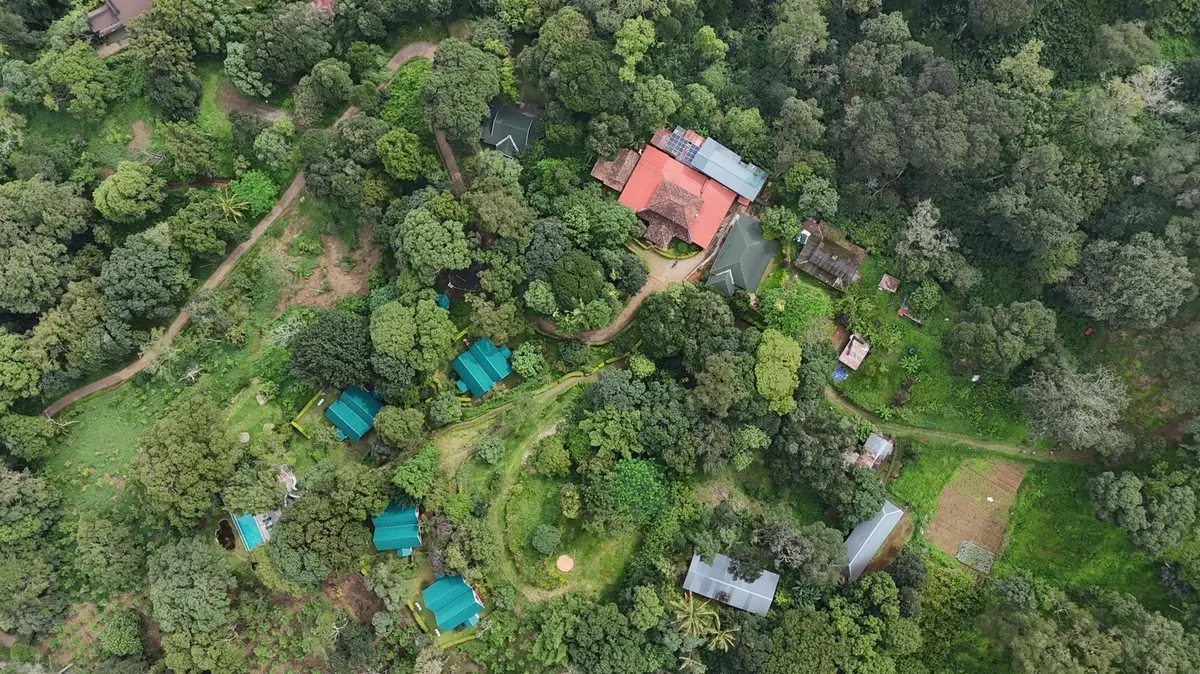
Munnar does not look the same throughout the year.
There are months when the mornings are crisp and cool, months when the tea estates are covered in mist, and months when the hills turn a deeper shade of green after the rains. Even the same viewpoint can feel different depending on when you visit.
When should you plan your Munnar trip?
For most travellers, October to February is the easiest period to plan a trip. The weather is generally comfortable for exploring tea plantations, visiting popular attractions and spending time outdoors. But that does not mean the other months should be ruled out.
March to May can be a good time to visit Munnar if you prefer a quieter hill-station holiday, while June to September brings the southwest monsoon and a wetter, greener side of Munnar.
The right month really depends on what you want from your trip.
This guide takes you through Munnar month by month, covering the weather, what you can expect, things to do and which season may suit different types of travellers.
Quick Answer: What Is the Best Time to Visit Munnar?
For most travellers, October to February is the best time to visit Munnar for comfortable weather and sightseeing.
- Best overall: October to February
- Best month to visit Munnar: November
- Best for sightseeing: October to February
- Best for honeymoon: November to February
- Best for families: October to April
- Best for greenery: June to September
- Best for monsoon lovers: June to September
- Best for fewer crowds: March to September
- Ideal trip length: 3–4 days
If you are searching specifically for the best time to visit Kerala Munnar, November to February is a strong choice for a comfortable hill-station holiday.
There is no single perfect month, though. The right time depends on whether you want cool weather, lush greenery, fewer crowds, outdoor activities or simply a peaceful stay.

January: Cool Mornings and Clearer Days
January is one of the most popular months to visit Munnar.
The mornings can be quite cold, particularly in the higher areas, while daytime conditions are generally comfortable for sightseeing. Travellers arriving from warmer parts of Kerala or elsewhere in South India will notice the cooler air, especially early in the day.
January works well if you want to cover the well-known parts of Munnar without having to plan around heavy rain.
You can spend the morning around the tea estates, visit the Tea Museum, head towards Mattupetty or Kundala and still have time to return to your stay and relax.
Good for: sightseeing, couples, families, photography and outdoor activities.
What to pack: a light jacket or sweater, especially for early mornings and evenings.
February: One of the Most Comfortable Months
February continues the pleasant winter weather, although the days gradually start feeling warmer.
It is a particularly good month if you want to spend plenty of time outdoors. Tea plantation walks, sightseeing drives and nature activities are easier to fit into the day when rain is not constantly changing your plans.
For couples, February offers a nice balance between outdoor sightseeing and quiet time at the property where you are staying.
If you prefer travelling before the warmer months arrive, February is a reliable choice.
Good for: couples, families, sightseeing, nature walks and short holidays.
March: A Quieter Side of Munnar
By March, temperatures begin to rise across Kerala, but Munnar remains considerably more comfortable than the plains.
This is a useful month for travellers who want a hill-station break without necessarily travelling during the busiest winter period.
The mornings are usually a good time to explore. Later in the day, you can return to your resort, have lunch, spend time in the garden or simply enjoy the mountain surroundings.
Munnar is not a destination where you need to keep moving from one attraction to another. Some of the best parts of a trip can be as simple as sitting outside with a cup of tea while the clouds move across the hills.
Good for: relaxed holidays, families, couples and travellers looking for a quieter trip.
April: A Good Escape From the Heat
April is warmer, particularly during the daytime, but Munnar remains a popular summer destination because of its elevation.
For families travelling during school holidays, it can be a welcome change from the heat experienced in many parts of Kerala and neighbouring states.
Try to plan longer outdoor visits for the morning or late afternoon. The middle of the day is better suited to a leisurely lunch or some time at your accommodation.
If you are staying somewhere surrounded by tea plantations, trees or gardens, April can be comfortable for a relaxed holiday rather than a packed sightseeing schedule.
Good for: family holidays, summer breaks and resort stays.
May: Between Summer and Monsoon
May is a transition month.
The weather can be warm, but pre-monsoon showers may also appear. You cannot always predict the day perfectly, which is why a flexible itinerary works better during this period.
The landscape starts responding to the approaching rains. Greenery becomes more noticeable, and the atmosphere can change quickly after a shower.
If you are comfortable carrying an umbrella and adjusting your plans when needed, May can be a good time to visit Munnar without the peak-season rush.
Good for: short breaks, quieter stays and travellers who do not mind changing plans around the weather.

June: When the Monsoon Arrives
June changes Munnar.
The southwest monsoon brings regular rain to the hills. Roads can be wet, clouds sit lower over the plantations and mist often hangs around the slopes.
The rain also brings out one of Munnar's most striking features — its greenery.
Tea estates look fresh, streams become livelier and the surrounding hills take on a deeper green. If you enjoy landscape photography, June can offer scenes that simply are not there during the drier months.
There is a trade-off. Rain can interrupt sightseeing, and some outdoor activities may not be suitable on particularly wet days. The supplied draft identifies June to September as the main southwest monsoon period in Kerala.
Good for: monsoon travel, nature lovers, photographers and peaceful resort stays.
July: Munnar at Its Greenest
July is among the wetter months in Munnar.
If you are looking for clear skies and a packed sightseeing itinerary, this may not be your first choice. But if rain does not bother you, July has its own appeal.
A rainy morning in a plantation can be surprisingly peaceful. You may wake up to clouds over the hills, hear rain on the roof and watch the landscape disappear and reappear through the mist.
This is also a good month to choose accommodation carefully. A property with gardens, covered outdoor areas and comfortable indoor spaces gives you somewhere enjoyable to spend time when the weather turns wet.
Not every Munnar attraction operates normally during the monsoon. The original article specifically notes seasonal closure considerations for Eravikulam National Park, so check the latest official information before including seasonal attractions in your itinerary.
Good for: rain lovers, nature photography and quiet stays.
August: Mist, Rain and Green Hills
August continues the monsoon mood.
Munnar can be wet, misty and wonderfully green. The weather may change several times during the day, so it is better not to plan every hour around outdoor activities.
Leave some space in your schedule.
Take a plantation walk when the weather allows. Spend time at your accommodation when it rains. Go out again when the clouds lift.
This type of trip works particularly well for people who want a break from busy city life rather than a checklist of tourist attractions.
Good for: couples, nature lovers, photographers and travellers looking for a peaceful stay.
September: The Rains Start to Ease
September sits somewhere between the monsoon and the more popular travel season.
Rain can still occur, but conditions generally begin to improve as the month progresses. The landscape, however, retains much of the freshness created by the monsoon.
This is a month worth considering if you want Munnar's greenery without travelling during the busiest winter weeks.
You may also find it easier to enjoy the destination at a slower pace, particularly on weekdays.
Good for: nature lovers, photography, quiet holidays and travellers who prefer fewer crowds.
October: A Good Time to Start Exploring Again
October marks the beginning of a more comfortable travel period, although rainfall can still occur.
Some days can be bright and clear, while others may bring showers.
The benefit is that Munnar is still beautifully green after the monsoon, and outdoor sightseeing becomes easier as the weather settles.
If you want a combination of greenery and more comfortable sightseeing conditions, October is worth considering.
Good for: sightseeing, couples, families and nature experiences.

November: One of the Best Months for Munnar
November is when Munnar starts feeling like the classic hill-station holiday many visitors have in mind.
The weather is generally cool and comfortable, the hills are green and outdoor sightseeing becomes easier.
This is a good month to combine popular attractions with less hurried experiences — a walk through the plantations, bird watching, a short trek or simply an afternoon spent enjoying your accommodation.
As the winter travel season gets closer, it is sensible to book your stay ahead of time, particularly if you are travelling over a weekend.
Good for: almost every type of traveller.
December: Cool Weather and Holiday Crowds
December is one of the busiest times to visit Munnar.
The cooler weather, Christmas holidays and year-end travel bring more visitors to the hills. Accommodation can fill up quickly, particularly around Christmas and New Year.
The mornings can be chilly, but daytime sightseeing is usually comfortable.
If you enjoy a lively holiday atmosphere and do not mind more visitors around popular attractions, December is an excellent choice.
If you prefer quieter surroundings, consider travelling earlier in December or choosing accommodation away from the busiest parts of Munnar town.
Good for: Christmas holidays, family trips, couples and year-end getaways.
When Is the Best Season to Visit Munnar?
There is no single season that works for everyone.
The best season to visit Munnar depends on what you want from the trip.
October to February: Best for First-Time Visitors
If this is your first trip to Munnar, this is the period I would recommend most often.
The weather is generally comfortable, sightseeing is easier and you can plan a wider range of outdoor activities.
For travellers looking for the ideal time to visit Munnar, this period offers a useful balance of comfortable weather and sightseeing opportunities.
Best for: first-time visitors, families, couples and sightseeing.
March to May: Best for a Summer Escape
Munnar's altitude makes it a useful escape when temperatures rise elsewhere.
The days can be warmer than winter, but the hill climate remains appealing.
March to May can be a good time to visit Munnar if you prefer quieter travel and do not mind warmer afternoons.
Best for: families, summer holidays and relaxed resort stays.

June to September: Best for Monsoon Munnar
This is for travellers who actually enjoy rain.
You will need to accept that some plans may change because of the weather. In return, you get mist-covered hills, rich greenery and a quieter atmosphere.
If your priority is seeing Munnar at its greenest, the monsoon months are worth considering.
Best for: photographers, nature lovers and travellers who enjoy the monsoon.
What Is the Best Month to Visit Munnar for a Honeymoon?
For most couples, November to February is an easy choice when deciding on the best month to visit Munnar for a honeymoon.
The weather is comfortable for sightseeing, the evenings are cool and there are plenty of opportunities to combine outdoor experiences with relaxed time at your stay.
That said, couples who prefer privacy may enjoy the monsoon months more.
A rainy afternoon, a quiet cottage and mist over the plantation can be a lovely way to spend a day together — provided you are happy to trade some sightseeing for time indoors.
What Is the Best Time for a Family Trip to Munnar?
October to April is generally convenient for families.
The weather is more suitable for getting around, and you can plan visits to popular attractions without having to account for frequent heavy rain.
Families should also choose their accommodation carefully. A spacious property with outdoor areas gives children room to enjoy themselves while adults have somewhere comfortable to relax.
What Is the Best Time to Visit Munnar for Nature Lovers?
If greenery is your priority, consider June to September.
The monsoon gives Munnar a freshness that is difficult to replicate during the drier months.
For walking, bird watching and exploring the smaller details of the landscape, the rainy season can be rewarding — as long as conditions are safe and the activity is operating.
What Is the Best Time for Photography in Munnar?
There is something to photograph in every season.
Winter: clearer mountain views and soft morning light.
Summer: bright green plantations and pleasant landscapes.
Monsoon: mist, rain, waterfalls and deep greenery.
Post-monsoon: fresh landscapes with improving visibility.
If your goal is atmospheric photography rather than postcard-perfect blue skies, the monsoon months can be particularly interesting.
Things to Do in Munnar Throughout the Year
The season may change, but several Munnar experiences remain worthwhile throughout the year.

Walk Through the Tea Plantations
Tea is inseparable from Munnar's identity. Walking through the estates gives you a better sense of the landscape than simply stopping at a roadside viewpoint.
Visit the Munnar Tea Museum
The Tea Museum offers an insight into Munnar's tea-growing history and the development of the region's tea industry.
Explore Mattupetty and Kundala
Mattupetty and Kundala are popular stops for visitors looking for mountain views, water bodies and an easy day out.
Go Bird Watching
Munnar's forests, plantations and surrounding habitats support a wide range of birdlife. A guided walk can be much more rewarding than trying to spot birds while travelling between attractions.
Try a Nature Walk
You do not need to plan a demanding trek to experience Munnar's landscape. A guided nature walk can introduce you to plants, birds and small details you might otherwise walk past.
Spend Time Outdoors at Your Stay
This is particularly important if you are visiting during the monsoon.
A property with gardens, mature trees and quiet outdoor spaces means that a rainy afternoon does not have to mean sitting in a room waiting for the weather to improve.
Where Should You Stay in Munnar?
The location and character of your accommodation can shape the entire trip.
If you are looking for luxury cottages in Munnar, consider staying somewhere that gives you a sense of the surrounding landscape rather than choosing a property based only on its room facilities.
A heritage cottage in Munnar can be a good option if you enjoy older architecture, traditional details and a more personal atmosphere.
For families or groups travelling together, a 4 bedroom villa in Munnar offers the advantage of having everyone under one roof while still having enough space to relax.
And if you want to combine comfort with greenery, look for a luxury cottage stay in Munnar surrounded by gardens, trees or plantation land.
At a property such as Ambady Estate, the setting can become part of the holiday rather than simply a backdrop to it.
How Many Days Do You Need in Munnar?
For a first visit, three nights and four days is a comfortable amount of time.
You can cover the main attractions without spending the entire trip in the car.
Two Days
Good for a short break.
You can explore the tea plantations, visit the Tea Museum and cover one sightseeing route.
Three Days
A better option for most visitors.
You have time for sightseeing as well as a nature experience or relaxed afternoon at your accommodation.
Four or More Days
Ideal if you want to take things slowly.
You can include bird watching, nature walks, soft trekking, plantation experiences and additional time to enjoy the property.
Munnar rewards travellers who leave a little breathing room in their itinerary.
What Should You Pack for Munnar?
Your packing list depends heavily on the season.
October to February
Bring:
- A warm jacket or sweater
- Comfortable walking shoes
- Light layers
- Warm clothes for early mornings
March to May
Bring:
- Comfortable cotton clothes
- Walking shoes
- Sunglasses
- Sunscreen
- A light jacket
June to September
Bring:
- Rain jacket
- Umbrella
- Waterproof or quick-drying footwear
- Extra socks
- Quick-drying clothes
- A waterproof cover for electronics
Even outside the monsoon, a light jacket is useful because Munnar weather can change quickly in the hills.
Is Munnar Worth Visiting During the Monsoon?
Yes — but go with the right expectations.
If you want to spend every day outdoors, visit several viewpoints and return home with clear mountain photographs, the drier months are easier.
If you enjoy rain, mist and greenery, monsoon Munnar can be much more interesting.
The key is to avoid building your entire holiday around a fixed sightseeing schedule. Keep some flexibility, check local conditions and choose a stay where you are happy spending a few hours if it starts raining.
That can make all the difference.